The Fourth Grader Is King: Right Now Is Moms’ Easiest Time to Grow a Business
Hey, beautiful boss mom. Pull up a chair.
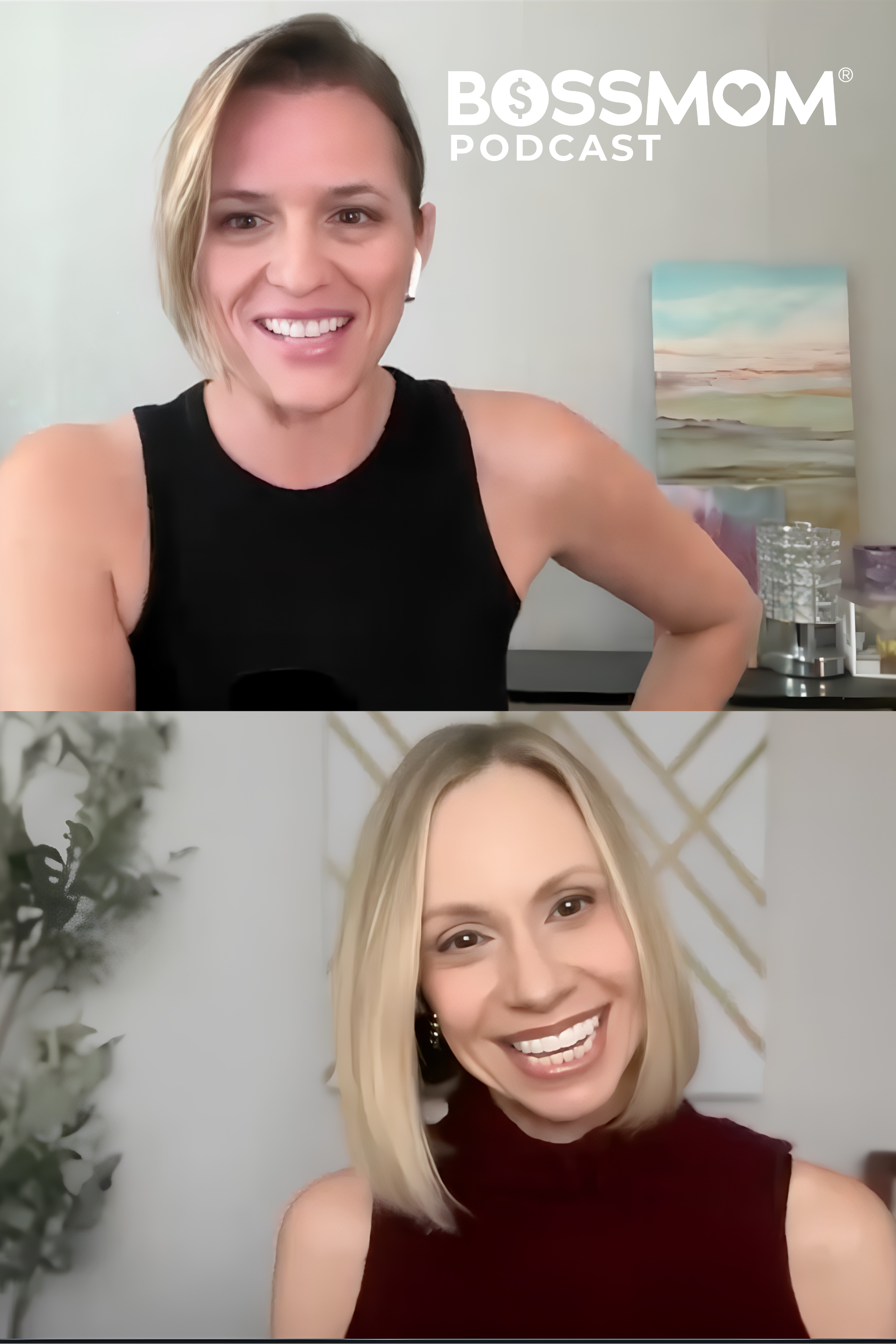
This podcast episode wasn’t an interview. It was a discussion, the kind that started ranty before we even hit record. Katie Read (buyer psychology expert, ridiculously smart writer) and I got into something I think every mom needs to hear: right now is one of the easiest times to grow a business as a mom in the last decade.
You just have to see what’s actually happening in front of you.
Buckle up. Get your coffee, your tea, your wine, your weighted blanket, your cat, your bearded dragon, whatever helps you feel calm and ready. This is a conversation that’s going to reframe how you see your business in 2026.
About the Guest: Katie Read
Katie Read is a buyer psychology expert who helps coaches, course creators, and consultants build offers people actually want to buy. She runs BuyerPsych.com and writes one of the smartest newsletters in the small-business space. (Honestly, that newsletter is why I keep inviting her on. Heads up: she’s officially becoming a recurring co-host of the show.)
You can grab her free AI prompts for buyer psychology, and her Incubator program is currently helping people rebuild their offers for the 2026 buyer.
The Fourth Grader Is King
My favorite quote, and one of the most important framings for becoming a thought leader in this era, is this:
“The saying ‘To the third grader, the fourth grader is king’ is more powerful now than ever, and a great sign for all moms wanting to start a business.” — Dana
Here’s what I mean. The first time someone told me, “Dana, I’m not gonna buy Tony Robbins’ program — I’m gonna buy yours,” I about lost it. But she said something that stuck: “Because you’re a mom. That makes sense. I don’t need you to have made billions of dollars to help me make my first $100,000.”
You don’t need to be a guru. You need to be two steps ahead. The fourth grader teaching the third grader. That’s the entire game right now. AI didn’t kill it. AI made it more valuable.
The Rise of the Thought Leader (and Why Now)
Here’s the shift that’s happening. Marketers used to chase massive influencers. The million-plus follower accounts. Then they realized those audiences don’t actually buy. So they pivoted to micro-influencers. Now, at events like The Uprising (where I just spoke), they’re going even smaller, to nano influencers with tiny, deeply engaged audiences.
But there’s a parallel shift that matters even more for you: people are returning to thought leaders. Not the people regurgitating the latest trend. The people thinking out loud about what’s coming next.
Why now? Because of what Katie called the “good enough economy.”
“If I wanted to learn from you but your program cost a couple hundred bucks, I could go to ChatGPT and say, ‘Tell me what Dana Malstaff says about this topic.’ Chat won’t give me your value, but it’ll feel like 80% there. And because that’s free, I’m gonna walk away.” — Katie
That’s terrifying for the regurgitation business. You know the type. People who learned something on YouTube and immediately taught it to their audience. AI eats that model alive.
But it’s incredible news for thought leaders. Because the one thing AI can’t replicate is the voice of someone who’s wrestling with what’s coming next.
You’re Already a Thought Leader (You Just Don’t Call Yourself One)
A lot of moms hear “thought leader” and wince. That’s not me. I’m just a coach. Just a course creator. Just a consultant.
Stop that.
If “thought leader” doesn’t land, here are some other words that might fit better:
- Idea generator
- Thought jogger
- Connector
- Observer
- Fortune teller (yes, this one’s legit)
- Rallying-the-troops motivator
- The shoulder to cry on
- The one who notices what’s coming
Pick whichever resonates. The point is the same: what’s swirling in your brain is valuable.
“Recognize whatever you’re thinking is valuable. Even the thinking that feels like self-sabotage… that honesty is valuable.” — Dana
Most of your audience isn’t listening to the people you compare yourself to. They’re not following Hormozi. They’re following you. And the thinking you write off as “everyone is saying this” is almost certainly not what your audience is hearing.
A Note on Vulnerability: The Scars and Wounds Rule
If you’re going to share real, honest, in-the-moment thinking, you have to be careful about how you share it. I have a framework for this called scars and wounds.
A scar is something you’ve been through and come out the other side of. The lessons are clear. You can teach from it.
A wound is something you’re still bleeding from. If you share it before you’ve metabolized it, your audience won’t see your authority. They’ll feel pity.
When my dad passed away, I was overly vulnerable. People stopped hiring me. Not because they didn’t want to, but because they wanted to give me space. They felt bad for me. That wasn’t useful for either of us.
Compare that to a former client of mine, a life coach whose dog died. She shared it openly, but she said: “In the past, I would have processed this one way. Because of the practice I teach, I’m able to do it differently.” That post was gold. Why? Because the wound proved the authority of her system.
So if you want to share something raw, share something outside your area of expertise so it doesn’t undermine you. Or share a wound only after you can show how your own framework helped you walk through it. That’s how vulnerability builds authority instead of pity.
Don’t Let AI Steal Your Voice
Here’s where Katie and I land in the same place.
Use AI for structure. Never for voice.
I am the queen of word-vomiting into Claude. I rant, I spiral, I open eight loops and close three. AI is brilliant at coming back and saying, “Hey Dana, paragraph three contradicts paragraph one — want me to fix that?” That’s not stealing your voice. That’s coaching you in real time.
But the second you say “AI, write this for me,” you sound like everyone else. And in 2026, sameness gets you ignored.
“If we ask AI to be us, it’ll feel generic. But if we ask it to challenge us, coach us, give us frameworks and systems… that’s the magical spot.” — Katie
This is also why newsletters are roaring back, and Substack is exploding. People want to get into your thinking in real time. They want the wrestling. They want to read someone honest enough to say, “Here’s what I see. I could be wrong in three weeks.”
In an AI-saturated world, the messy, imperfect, real-human newsletter is gold.
A pro tip from Katie: she runs her newsletter through a “repurposer” GPT she built. But she has to constantly remind it: “You’re not allowed to change my writing. You can only chop it up.” Even the AI you train on yourself will drift toward generic AI voice if you let it. Hold the line.
Rebuilding Your Offer for the 2026 Buyer
Here’s where Katie and I get really excited.
The buyer has changed. They’ve been trained by AI to expect instant, personalized, in-the-moment support. The “video modules + Facebook group + weekly Q&A” model that built most of our businesses over the last decade? It’s not how 2026 buyers want to consume.
So instead of copying what we’ve all seen everyone else do, Katie’s been teaching first principles thinking, the same model Bezos and Musk use. The question isn’t “what’s the standard format?” The question is: “What does my person actually need? And what if I threw out every rule about how I’m ‘supposed to’ deliver it?”
For us at Boss Mom, that’s looked like:
- Mastermind networking events with real facilitation. I set the topic, frame the question, then break people into two- and three-person breakouts so they can have actual conversations. No awkward “tell us about yourself” small talk. (One of these resulted in a binge-eating coach finding a former bulimic in her breakout who became one of her most insightful messaging mirrors.)
- Custom GPTs and bots that can answer at midnight when a member can’t sleep. Because as Katie put it perfectly:
“AI works in the hours that we work. Midnight when we can’t sleep, 5 a.m. before the kids get up… that’s when moms are doing their thinking.”
The hardest part of this for coaches isn’t building it. It’s getting out of the way. Trusting that the right kind of container is more powerful than you being the answer to every question.
How to Use AI Without Drowning in It
A real concern I’m hearing constantly: “I see ads for 372-AI-employees-that-run-your-whole-business and I’m overwhelmed before I start.”
You don’t need that. You need two things:
1. Automate what you do repetitively. Opt-ins and lead magnets, social repurposing, content briefs, scheduling. Pick two or three of these and build the GPT. Stop there.
2. Build AI for what you spiral on. This is the one most people miss. For me, it’s a one-minute reel. I will overthink that thing for hours. So I built a system. I rant into my AI, and it gives me back a 60-second outline that fits the structure. I literally just say, “Give me the brief for the podcast,” or “Give me the brief for this week’s social,” and based on my messaging map, it spits out my reels and content. The AI isn’t replacing my creativity. It’s getting me unstuck.
“Most people are trying to figure out what their voice even is. AI can help. You just have to look at AI as a way to coach you instead of replace you.” — Dana
That’s not AI replacing you. That’s AI handing you back the time and brain space you’ve been bleeding.
The Big Takeaway: Why It’s Easier to Grow a Business as a Mom Right Now Than Ever
This is the best moment in a decade to be a mom with an opinion and a small audience.
Big companies are now actively hunting nano influencers. Moms with small, deeply engaged audiences. The pressure to “go viral” is over. The most engagement, the most loyalty, and honestly the most money is happening in the smallest, most intentional spaces. The kind of communities moms are good at building.
So if you’ve been waiting for a bigger audience or a more polished offer or cleaner branding before you let yourself go for it: stop waiting. Your nano audience is what’s working right now. The messy, real-time thinking you’ve been hiding? That’s exactly what people want to follow. And rebuilding your offer for the 2026 buyer is what makes your business grow.
This is your easy season. You just have to take it.
Your Next Step
If this lit something up:
- Grab Katie’s free AI prompts for buyer psychology. Sharp, specific, and not generic.
- Look at Katie’s Incubator program if you want help rebuilding your offer for the 2026 buyer (go-day is Monday).
- Join Boss Mom Plus ($197/year). This is where you get all the support and tools you need to start and build a business that fits into your mom life.
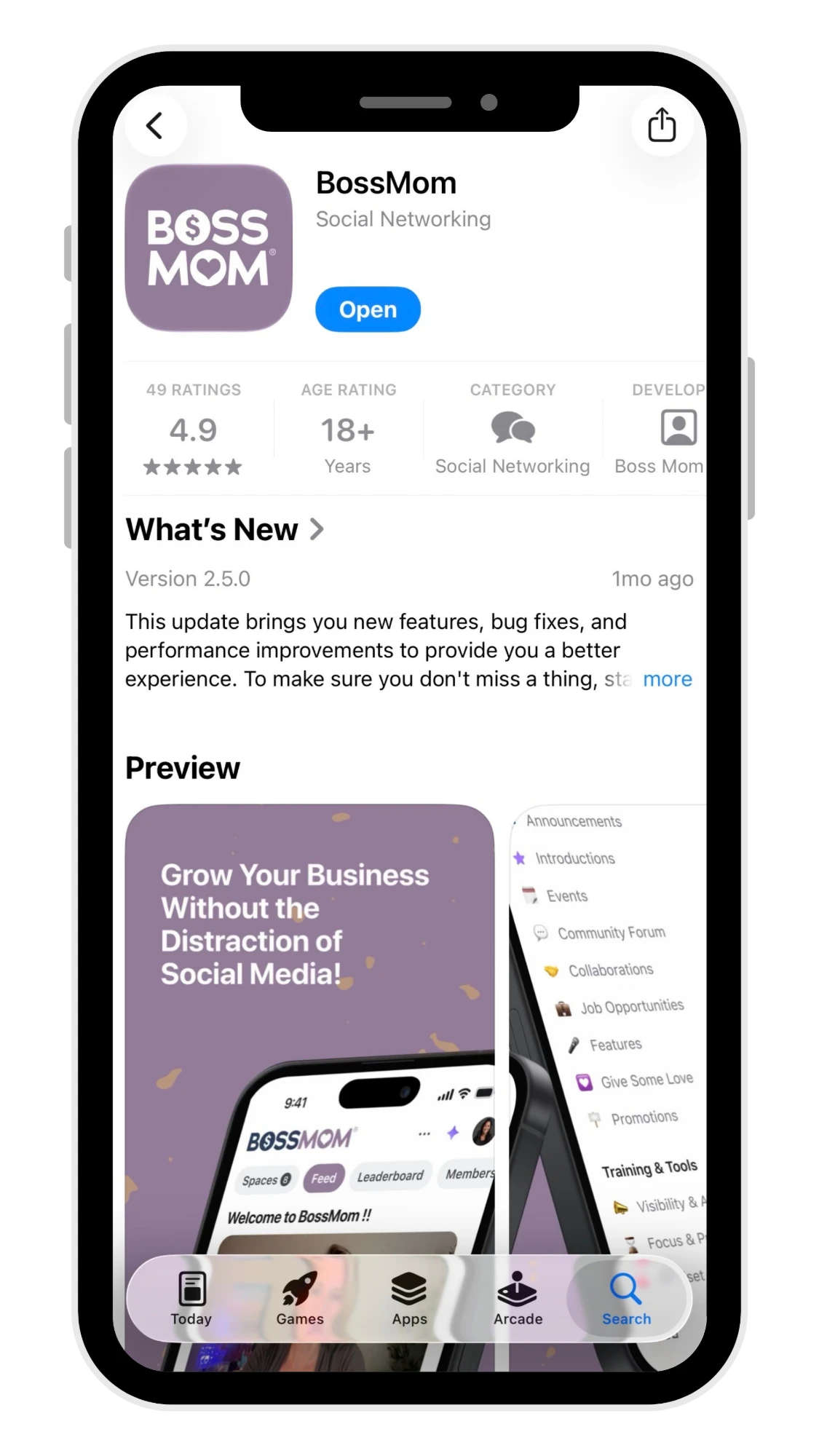
- Free first? Start in the BossMom Community.
Katie’s becoming one of several quarterly recurring co-hosts on the podcast (this is officially the first of many), so if you loved this conversation, expect a lot more like it.
virtual high five,
xo, Dana