The BossMom Podcast · Health & Wellness
You Can’t “Schedule” Your Way Out of Mom Burnout (with Irin Rubin of MamaZen)
Hey, beautiful boss mom. Pour yourself something warm. This one is important.
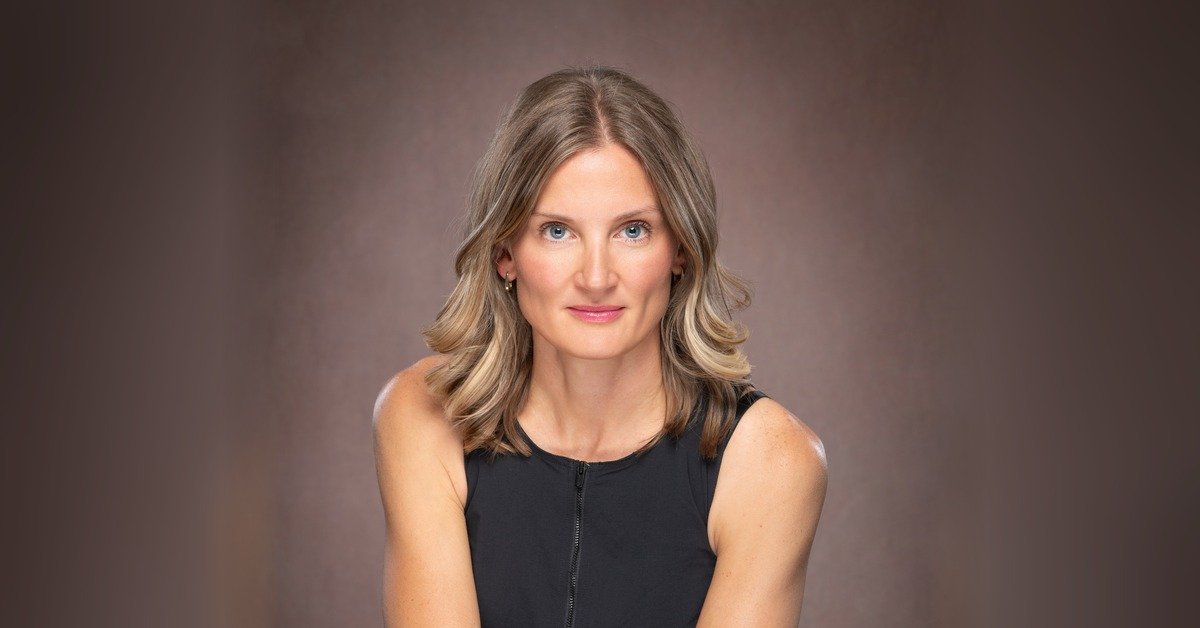
This week’s guest is Irin Rubin, founder and CEO of MamaZen, a mental wellness app helping mothers manage anxiety, overwhelm, and burnout. We talked about something I think every mom needs to hear: nervous system regulation for moms isn’t another thing to add to your list. It’s the thing that makes everything else on your list feel possible.
Most of us have been told the answer to overwhelm is to do more. More self-care. More planning. More “give yourself permission” advice. But Irin and I both know, and lived, what actually moves the needle. And it’s not what the world keeps telling you.
If you’ve ever felt like you’re on a high-speed train you can’t slow down, this episode (and this post) is for you.
About the Guest: Irin Rubin
Irin Rubin is the founder and CEO of MamaZen, a mental wellness app helping mothers manage anxiety, overwhelm, and burnout. As a mom and entrepreneur, she helps women regulate their emotions, reduce stress, and feel more present so they can thrive in both their family life and their business.
You can find her at mamazen.com, on Instagram, Facebook, and TikTok. Her book MamaZen: The Parenting Method is on Amazon, and I genuinely recommend it. The raw, vulnerable stories help moms feel less alone.
Irin’s Story: When Motherhood Broke Her (and How She Came Back)
Irin’s introduction to motherhood was rough. Her first pregnancy was good. Then she was induced, the delivery was difficult, her baby had severe colic, she couldn’t breastfeed, and her baby was hospitalized for a week. Two years later, when she got pregnant again, the PTSD from the first delivery came roaring back.
In her own words on the episode:
“I felt like I was on a really high-speed train, and I didn’t know how to slow down. There were no stops. And I realized I needed to figure this out because I didn’t like who I was anymore. I didn’t like how I behaved. I didn’t like how I felt.” — Irin
She started to get physically sick. And eventually she realized what was happening: her nervous system was constantly in fight-or-flight. Once she figured out how to calm it down and make her nervous system feel safe, everything changed. That’s the work MamaZen does now. It’s the same work most of us need but were never taught. (Michelle Grosser shared a similar burnout recovery story in a past episode that’s worth a listen if you’re in the thick of it.)
Why Doing More Won’t Fix Overwhelm
Here’s the part that changed how I think about my own life. When you’re really overwhelmed, your cortisol is high. Your sleep isn’t restful. Your thoughts are racing. You feel constantly behind. So when someone tells you the answer is to “add one more thing,” a journal, a workout, a meditation, your nervous system can’t actually receive it. You’re already at capacity. (If you want to go even deeper on this, Cathy Heller shared incredible nervous system regulation tips in a previous episode that pairs beautifully with this one.)
But when you regulate first, something shifts. Things still happen. Your kids still need things. Your inbox still grows. But you’re not reactive anymore. You can pause and think:
- Do I actually want to do this?
- What are my real options here?
- Is this even mine to carry?
That’s when you start prioritizing yourself and making better decisions for you and your kids. The overwhelm doesn’t go away because life got easier. It goes away because your capacity expanded.
This is what I mean when I tell moms my capacity for hard things has grown. It’s not because I got tougher. It’s because I stopped running on fight-or-flight as my baseline. (Side note: if you struggle with this when working with kids around, that’s another piece I’ve written about — capacity and presence are deeply connected.)
The Power of Self-Talk (and Why Your Kids Are Listening)
One of my favorite moments in the conversation was when Irin shared what happened with her daughter and math.
Her daughter was in first grade during COVID, didn’t get strong math foundations, and by third grade Irin thought she was “just bad at math.” Her husband isn’t strong in math, so most parents would say “It’s okay honey, Daddy’s not good at this either.”
Instead, Irin told her: “You’re really good in math. We just need to work harder.”
Her daughter started working harder. She’s now in sixth-grade advanced math, getting high grades in everything.
This is what self-talk does. It’s not woo. It’s literally mastering your mindset at the most foundational level, and it creates real-world outcomes.
“When you have a teenager, don’t tell them, ‘You always make bad decisions.’ That triggers bad decisions. Tell them, ‘You are a responsible teenager. You make good decisions.’ When they have a decision to make, that voice will come back.” — Irin
And here’s the part that hit me hardest: the same thing happens with how we talk to ourselves. If you wouldn’t call your friend a shitty mom, why are you saying it to yourself?
Your kids hear how you talk to yourself. Your kids hear how you talk to them. Your kids hear how you talk to your spouse, your siblings, the people in line behind you. Words are shaping the people they become. The work of regulating your nervous system is what makes it possible to actually choose those words instead of reacting with whatever your own conditioning hands you.
There Is No Absolute Truth in Motherhood
This is the line I keep thinking about days after the conversation.
People are going to push their truths at you constantly. “You have to bathe your kids every night or they won’t sleep.” (Not actually backed by science.) “Everybody’s going to need a C-section now.” “You’d better find someone before you turn 40.” “You need to slow down.” “You need to speed up.” “Don’t miss this season.” “Make sure you’re working on yourself.”
It’s exhausting. And honestly? Most of it is somebody else’s fear dressed up as advice for you.
Here’s the practice I learned from Irin that I want every mom to take with her:
When something hits you, pause. Ask: Is this just noise? Is this their fear, or is it actually true for me? Do I need to make a decision right now, or do I just need to sit with it?
Then Irin’s go-to line, which I’m stealing: “Thank you for sharing that with me. I don’t have an answer right now. I’d like to think about it.”
You don’t owe anyone an immediate response. You don’t owe anyone an opinion on every political conversation. You don’t owe anyone your energy just because they’re seeking it. Conserving your energy is one of the most powerful business decisions and parenting decisions you’ll ever make.
Saying No Without the Guilt
Most moms tell me they can’t say no. They can’t set boundaries. Caring about themselves feels selfish.
But here’s what changes when you do the regulation work first. I had a contract come across my desk recently. A partner wanted me to do affiliate work for them this summer. Before doing the work I’ve done, I probably would have just said yes. Maybe pushed back on one tiny thing and felt guilty for it.
Instead, I read the contract. I noticed the pricing wasn’t right and the terms weren’t fair. I sent back a short video saying so. The other side wrote back: “Done. Here’s the new contract.”
No fight. No conflict. No drama. Just the kind of confidence that lets you make clean decisions in business and life from a calm place. That’s what nervous system regulation gives you access to.
And Irin’s lived experience matches mine. When she started saying no, some people got upset at first. “How dare you say no to me?” But when she explained, “I’m working on myself, I’m in my 40s, I have personal growth happening,” the response was almost always: “Oh, I get it. It’s not about me. Okay.”
“You can’t be a successful businessperson and a mom and be healthy if you’re spreading your energy everywhere and everybody just sucks it out of you. Stop letting other people dictate for you.” — Irin
Mom Mental Health Is Generational
This is the part that made the whole conversation feel bigger than just us.
When you do this work, you don’t just feel better. Your kids absorb a completely different model of what motherhood and adulthood look like.
- If you have daughters, they’ll grow up knowing that prioritizing their mental health isn’t optional. They’ll tell their future partners, “I’m doing yoga, I’m meditating, I’m taking care of myself. This is who I am.”
- If you have sons, they’ll grow up watching what calm, regulated motherhood looks like. They’ll tell their future partners, “Go do that thing for yourself. I’ve got this.”
We’re not just regulating our own nervous systems. We’re teaching the next generation what regulated humans look like. That’s generational change. That’s the kind of legacy I want to leave, and I know you do too.
Take the Power Back
This is the line Irin closed with, and it’s the right place to end this post:
“Get rid of being the moms who do everything for everybody all the time. Never prioritize ourselves, never prioritize our sleep, always feel guilty and shameful. Take the power back. Really, take the power back.” — Irin
You don’t need to be a different mom. You don’t need to add another thing. You need to regulate first. Everything else gets so much easier from there.
Your Next Step
If this lit something up:
- Download MamaZen on iOS or Android. The first 7 days are free. The first session alone is genuinely powerful. Irin talks on the episode about crying through her own first session because her nervous system finally felt safe enough to exhale. Find it at mamazen.com.
- Grab Irin’s book MamaZen: The Parenting Method on Amazon. The vulnerable stories alone are worth the read.
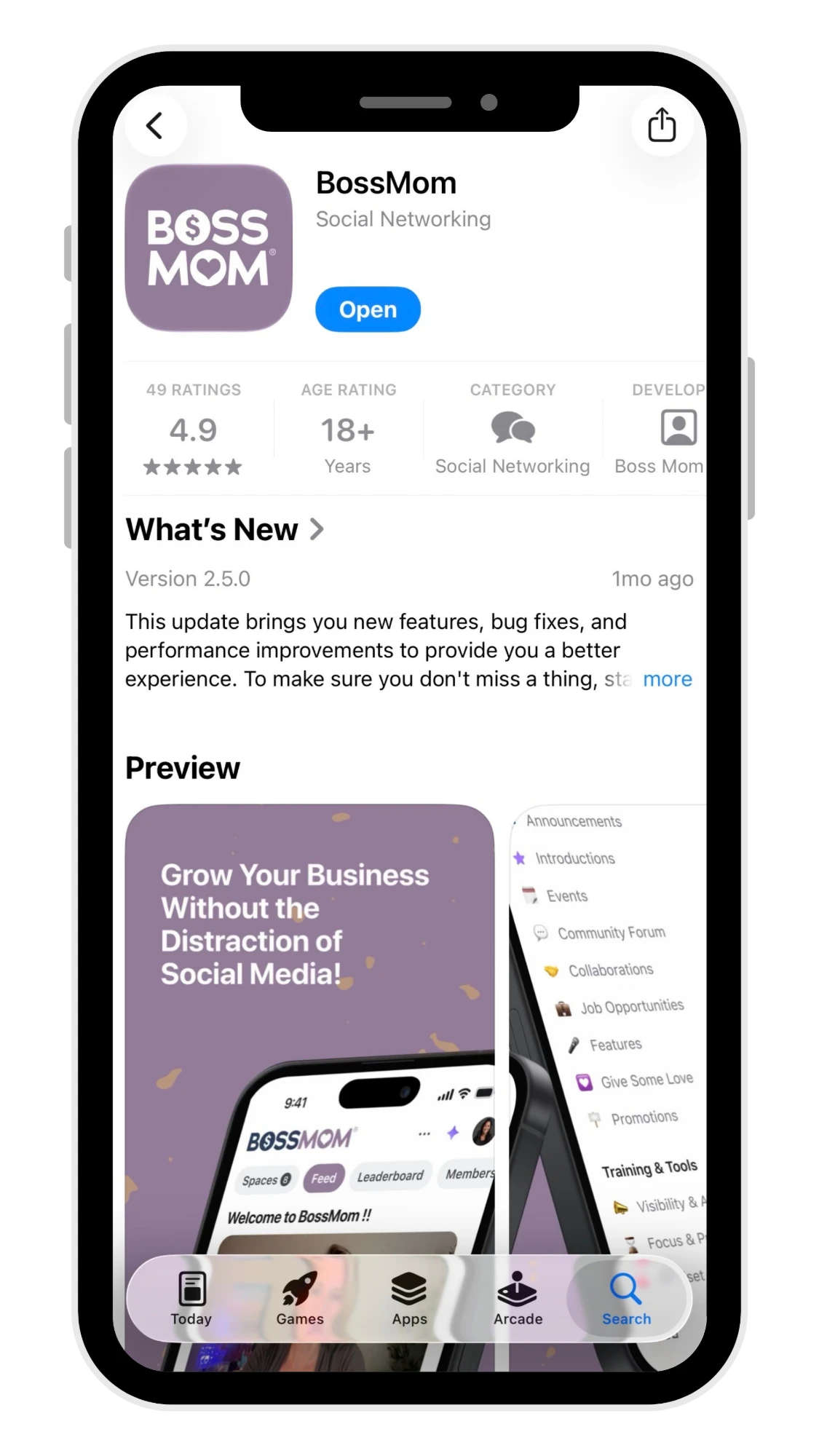
- Join the Boss Mom Community. This is free, and it’s where the isolation breaks. Because you are not alone, you are not specially broken, and you are not the only one who’s felt every single thing we talked about today.
This is the work, mama. It’s not the loud work. It’s not the productive-looking work. But it’s the work that changes everything.
I’ll see you next week.
xo, Dana