We Might Be the Last Generation of Moms Who Don’t Know Who We Are Without Doing
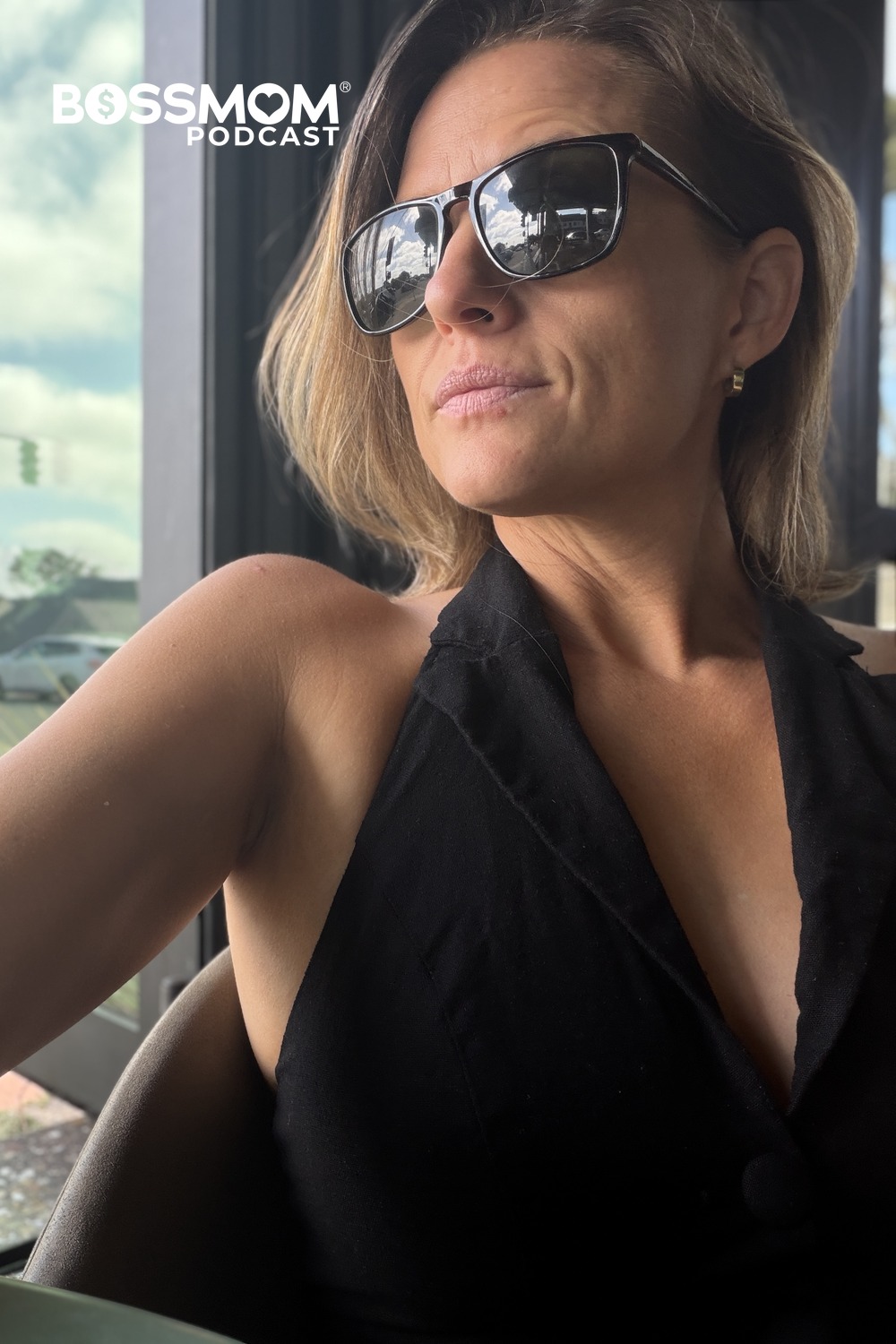 Hey beautiful boss mom,
I think we might be the last generation of moms who doesn’t know who we are without doing. Producing, managing, being needed, checking the box — that’s the identity most of us were handed, and a lot of us have never once stopped to question it out loud.
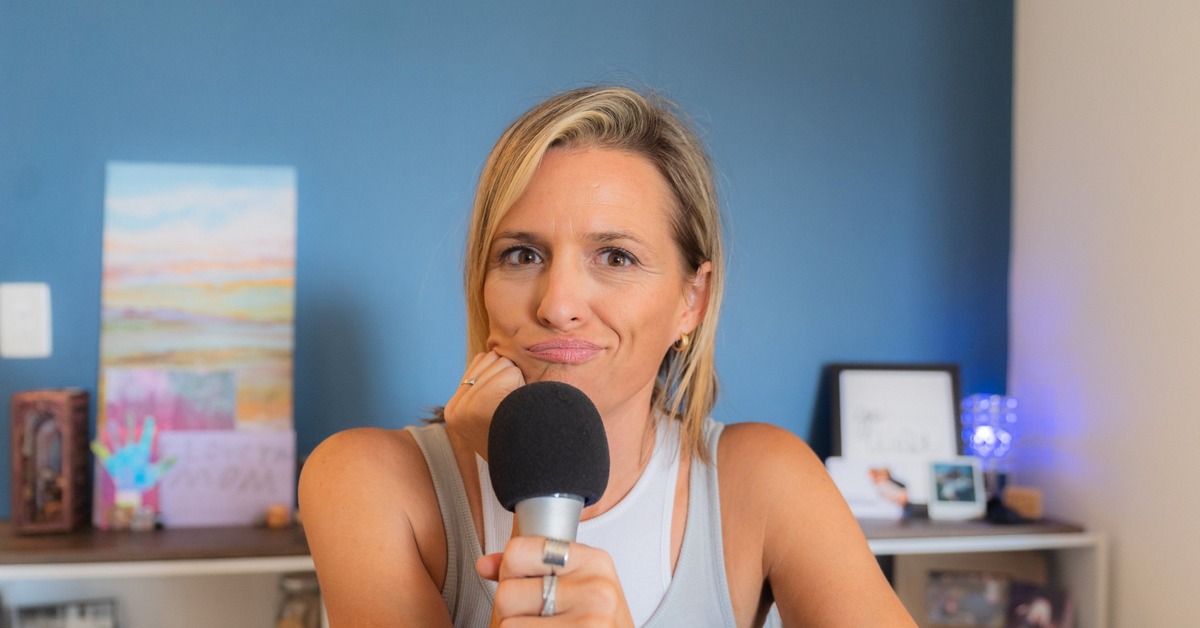
Katie Read is back (you know her, you love her, she’s basically becoming a recurring guest at this point), and this time we didn’t plan a topic so much as fall into one. She sent a newsletter, I wrote back with thoughts, we started nerding out before we even hit record, and by the time the mic was on we were already three layers deep into what happens to a mom’s sense of self once doing stops being the only way she’s allowed to know who she is.
Here’s the part I want you to actually hear: this isn’t a loss. The career ladder we grew up on is gone, and buried underneath the fear everyone else is having about that is a huge opportunity for us moms — not only financial, though that’s part of it, just genuinely big. AI is finally giving us room to slow down enough to ask the question, and then build something from the answer instead of despite it.
This one’s for the moms. And it’s for our kids too, because what’s coming for them is honestly wild.
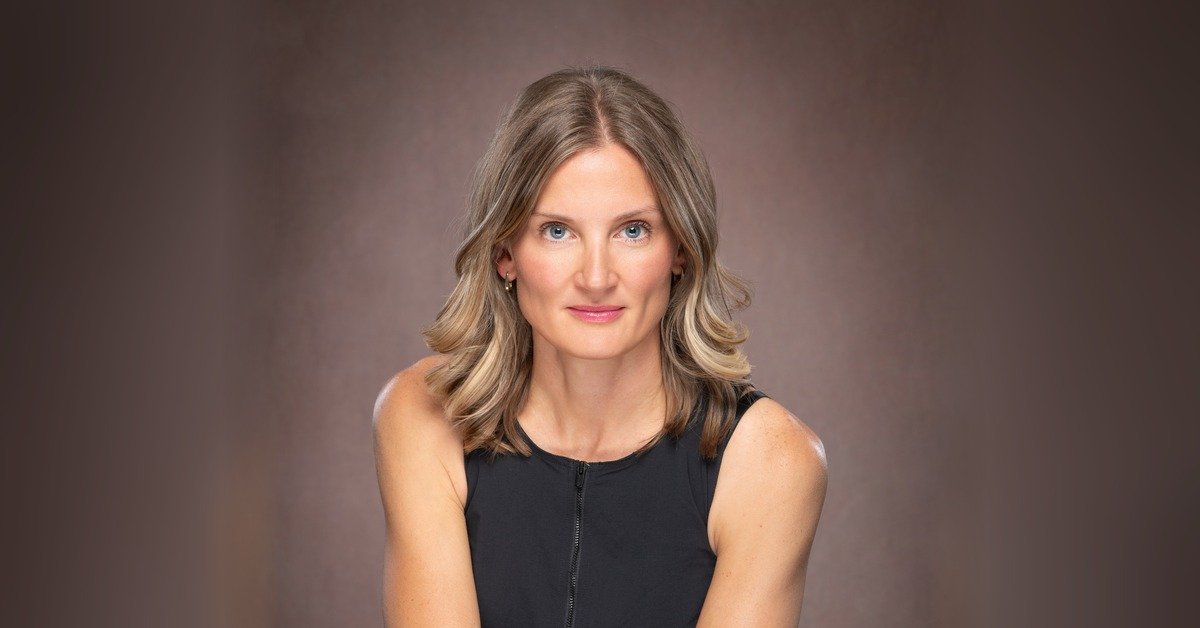
About the Guest: Katie Read
Katie Read is a buyer psychology expert who helps coaches, course creators, and consultants build offers people actually want to buy. You can find her at KatieRead.com or BuyerPsych.com, where she does her buyer psychology work specifically. Either link gets you her free instant diagnostic — it reads your website and tells you exactly what you’re hitting and missing from a buyer psychology lens — plus it gets you onto her genuinely excellent newsletter, which is where half of our conversations start these days.
If this is your first time hearing her, go back and grab 4 buyer psychology hacks you need to know from her last visit too.
The Career Ladder Is Gone: Our Kids Are Getting 25 Jobs
Here’s the number that kicked this whole thing off: our kids are projected to have 25 jobs in their lifetime. Twenty-five. That is completely unprecedented in human history. No generation before them has lived that way.
We grew up believing in the career ladder. You pick your expertise, you climb, and even when you change roles they’re basically promotions up the same ladder in the same industry. That model is not going to exist for our kids. Full stop.
Katie told a story that stuck with me: she worked at a massive Starbucks after college, tons of employees, all different ages, constant new hires. And when people met each other, they’d ask, “What do you do?” Not “what’s your job here.” Because even while everyone was standing behind the same counter, nobody’s identity was tied to Starbucks. It wasn’t where they were going. It was just where they were, for now.
That’s the world our kids are inheriting, except it’s every job, not just the Starbucks job.
The Stigma That’s Finally Dying
For most of our lives, hopping between jobs was something to be ashamed of. Wanting work/life balance was “not committed enough.” We made fun of the 20-year-old who couldn’t hold down a job, and honestly, some of that critique was fair. But some of it wasn’t, and the culture didn’t always know the difference.
What’s shifting now is the story underneath the hopping. Our kids aren’t going to look at 25 jobs with fear the way we might. They’re going to grow up thinking like entrepreneurs — where are the problems, where’s the money, and if this thing stops working, that’s not failure, that’s just the next chapter.
“It’s not a pivot because I’m less than or incapable. It’s a pivot because I’ve done this for an amount of time and I’m ready for the next thing.” — Katie Read
Think about how many of your friends had a midlife crisis because they spent 20 years in a career that never fit their personality in the first place. We’re not raising our kids for that. We’re raising them for something better.
Motherhood Was the Original AI
Here’s the part of this conversation that hit me the hardest, and I don’t think I’d ever put it into words before Katie said it out loud.
Motherhood has always been a catalyst for identity exploration. You build a whole career, a whole sense of self around a job title, and then you have a baby, and suddenly you don’t care about that job title anymore. You’re forced to ask, who am I now? And a couple years later, when the baby doesn’t need you every second, you’re bored, maybe guilty about admitting it, and you’re back at that question again.
That’s why so many of us started businesses in the first place. Motherhood cracked something open that we then had to go explore.
AI is becoming that same catalyst, except now it’s happening to everyone, not just moms. People whose whole identity is wrapped up in a job title they worked incredibly hard for — lawyers, financial professionals, marketers — are watching AI move into their expertise the fastest. And suddenly they’re asking the same question we already know intimately: if this isn’t who I am, then who am I?
We’ve been doing this work for years. We might just be a few steps ahead.
Life in Chapters, Not on a Ladder
If the ladder is gone, what replaces it? Katie and I landed on this idea of narrative identity — basically, main character energy.
Think about it: nobody wants to read a story where the main character got one job at 22 and did it for 50 years. That’s not a narrative. A real main character goes through chapters. Adventures. Challenges. Plot twists they didn’t see coming.
“What if my life is a series of chapters? Not just one job title I keep climbing.” — Katie Read
I love this because it takes the shame out of change. A friend of mine went back into her Lululemon management job pregnant, planning to return after the baby, and then had zero interest in going back. A few years later, kid’s in kindergarten, and she’s looking around for the next thing again. That’s not indecision. That’s just her story doing what stories do.
Some of my own friends with kids in high school shut down their agencies and took jobs on someone else’s team, and they are thrilled. That’s a chapter too. Running your own thing isn’t morally superior to being part of a team — it’s just a different chapter with a different set of trade-offs.
The Real Block Isn’t Money. It’s Safety.
This is the part I want you to actually sit with.
The people who are going to struggle the most with all of this change aren’t the ones without skills or ideas. They’re the people who want security so badly that they’ll cling to it even when it isn’t actually safety. Paycheck to paycheck can feel safer than the unknown, simply because it’s familiar. You know exactly what that discomfort feels like, and known discomfort feels safer than the possibility of something better. This is exactly the territory we get into in managing your emotions through motherhood and business growth — the discomfort itself isn’t the enemy, even though it sure feels like it in the moment.
That’s not really safety. That’s just familiarity wearing safety’s coat.
And here’s the thing: not everyone is wired to want the wide-open version of freedom, and that’s genuinely okay. Katie predicts a rise in memberships and group coaching precisely because of this — people still want a home, still want structure, still want to feel like they belong somewhere even as the old models dissolve. That’s a real opportunity for those of us building communities, not a failure of the people who need them.
If you’ve ever felt shame about wanting a stable job again, or wanting more structure, or wanting less risk right now — that’s not you being behind. That’s just information about the season you’re in, not a character flaw.
You Don’t Have to Be “Online Famous” to Build Something
One of Katie’s sons has a little Etsy shop. He drew a cute dog logo, figured out how to put it on a T-shirt, and listed it. He’s not trying to be a big online entrepreneur. The doodle was just the gateway — the small, low-stakes starting point that showed him what could be for him without any of it needing to look like the shiny, camera-ready version of entrepreneurship we usually picture.
That’s the permission a lot of us need too. You don’t have to build the next Boss Mom. You could have an Etsy shop with your doodles on key chains. You could build a weird little app around a thing your friends already joke about needing. The scale isn’t the point. The starting is.
Who You Are When You’re Not “Doing” Anything
Here’s where this got personal for me. I told Katie that AI has actually let me separate my identity in terms of my skills from my identity in terms of who I am.
Boss Mom and Nurture to Convert are now two distinct professional presences. But my personal Instagram, just Dana Malstaff, has become my playground — the place for the weird, quirky, unfiltered stuff that doesn’t have to be Boss Mom content or Nurture to Convert content. It’s just Dana thoughts. I’m not worried about growing it or monetizing it. AI took enough off my plate that I finally have room to ask, what parts of me are weird and worth sharing, just because they’re me?
Katie pointed out something I hadn’t noticed about myself: when I use AI, I go into a full flow state. I lose hours to it. And I’ve started identifying less as ADHD and more as what I’d call a polymath — my brain doesn’t move point to point to point, it thinks spherically, like I’m standing in the center with everything happening around me at once. Five AI conversations running simultaneously feels completely normal to me. That’s overwhelming for most people, and understanding that about myself changed how I build my own systems (hello, my ever-evolving Post-it note situation, which I have zero shame about anymore).
The point isn’t that you need to think like I do. The point is that AI is creating space for all of us to figure out how we actually think and who we actually are, separate from what we produce. If you want the practical side of this — what an actual AI-powered marketing strategy looks like for a mom-run business — that’s a good next read.
Exploration Is the Business Model
We landed here, and I don’t think either of us wants to leave it: we are in an era where exploration itself is a business model.
Right now, in this weird liminal space, most people still need to make money, and it’s never been easier to make real money in genuinely weird, small ways. Most of us don’t need a million dollars. We need an extra $3-5K a month. And the thing standing between most of us and that is not skill. It’s embarrassment.
“How are you supposed to find out if you love pottery? How are you supposed to find out if you’re a natural comedian if you’re too scared to actually go do it in public?” — Katie Read
Katie told me about a guy who showed up to a city event dressed as Darth Vader because it genuinely felt like the right way to express how much he loved the initiative being announced. It went viral. Not despite the weirdness — because of it.
Doing it in public is where the money happens. So is the purpose. So, probably, is your actual identity. We coach our kids through exploration constantly — try the thing, it’s okay if you’re bad at it, find out what you like. It’s time we started coaching ourselves the same way. And here’s the part that should actually make this feel easier, not harder: nobody’s coming to promote you, which sounds bleak until you realize it’s actually good news — it means the door’s wide open for whoever’s willing to walk through it first.
What This Means for You (and Your Kids)
If your value has always been tied to how much you can do — the doing, the producing, the managing, the making sure everyone else is okay — this is your invitation to loosen that grip a little. Not because doing doesn’t matter. Because AI is about to be very good at doing, and your actual value was never only in the doing. It’s in the specific, weird, unrepeatable way you see things.
Your kids are inheriting a world with 25 jobs and zero shame attached to changing course. You’re inheriting a version of that same freedom right now, whether or not you asked for it. The identity crisis isn’t a sign something’s wrong. It’s the thing that’s supposed to happen when a season ends.
Your Next Step
If this conversation sparked something:
- Get Katie’s free instant website diagnostic at KatieRead.com or BuyerPsych.com — it’ll tell you exactly what your site is hitting and missing from a buyer psychology lens, and it gets you onto her newsletter, which is basically where this whole episode started.
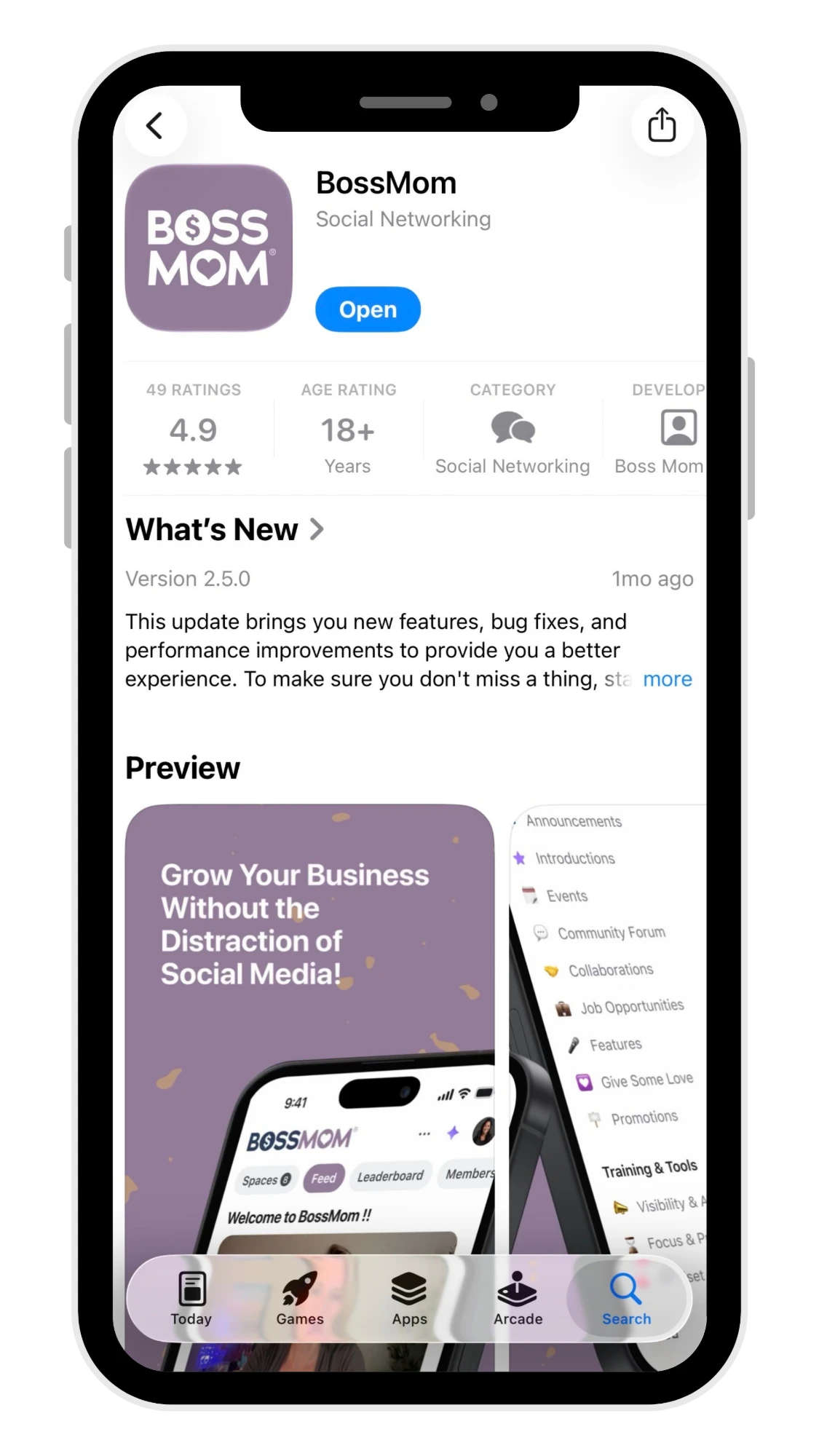
- Come explore what’s next for you inside the free Boss Mom Community. This is exactly the kind of identity work we do together — figuring out who you are underneath the job title, the launch, the to-do list.
- Ready to build the next chapter? Boss Mom Plus is $197/year and it’s where we help you turn exploration into an actual plan.
Katie will be back again soon — we always end up here, don’t we — so if this one hit, there’s more coming.
I’ll see you next week.
xo, Dana